
Damp is a common problem in many buildings, and preventing it is hugely important. As an architectural engineer, I’m often asked if external render can help prevent damp from occurring.
In this article, I will examine the effectiveness of external render in preventing damp and discuss other measures that can be taken to help keep buildings dry.
External render consists of a mix of sand, cement, and water applied to walls to provide a hard wearing waterproof surface. It is sometimes used to protect the walls from moisture ingress and reduce the risk of damp appearing inside the building. But does it really work? That’s what we’ll explore in this article.
What Is External Render?
External render is a vital part of the construction process for many buildings, and its use has been increasing in recent years. Over 80% of new constructions now incorporate some form of external render, whether that be a polymer-based coating or the more traditional lime-based plasters.
The purpose of external render is to protect a building’s surface against water damage and decay, as well as helping it to look attractive and presentable. There are two main types of render available: cementitious renders such as sand and cement, and polymer-based renders like silicone or acrylic coatings.
Cementitious renders are generally applied by machine or manually by hand, while polymer-based renders are usually applied with a roller or sprayer. Each type of render material comes with its own unique advantages and disadvantages depending on the needs of the building – for instance, cementitious renders can be easier to repair but may require more maintenance than polymer-based coatings.
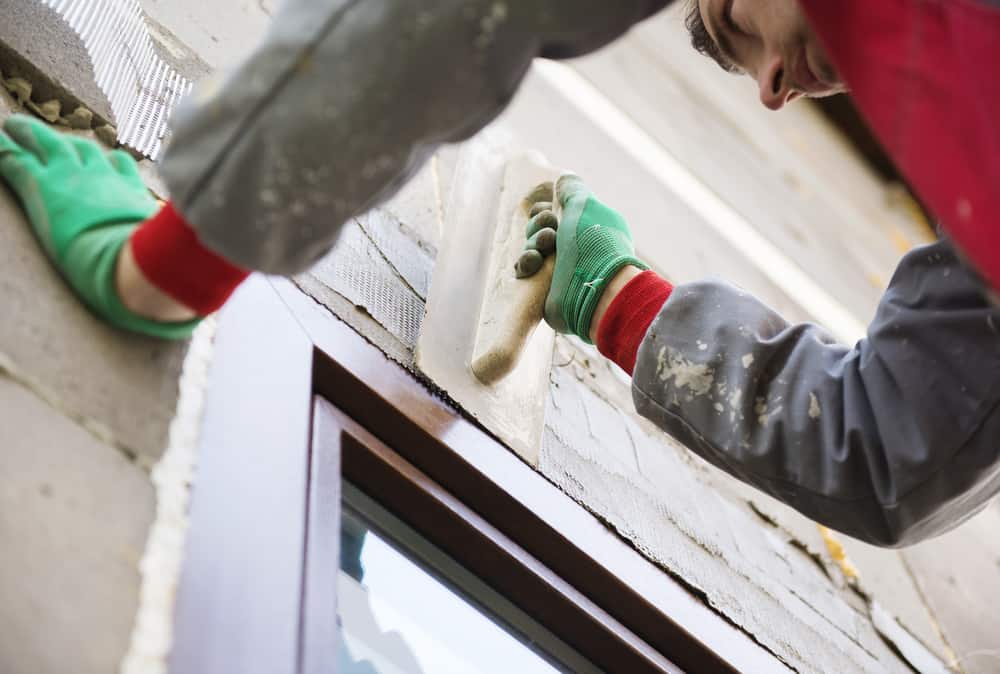
The application technique used for external rendering also plays an important role in its effectiveness at preventing dampness from affecting the building structure. In addition to using appropriate materials, it is important to ensure that the render is correctly mixed and applied evenly across the entire surface area in order to get the desired results.
If done correctly, external render can help keep moisture away from a building’s walls and other surfaces, thereby protecting them from dampness and decay over time.
Benefits Of External Render
I’m a big believer in the benefits of external render – it can provide a great increase in insulation and really improve the appearance of the building.
It’s a great way to protect against damp, too – by creating a breathable barrier between the wall and the elements.
Plus, it’s relatively easy to apply and maintain, so it won’t take too much time or effort.
In short, external render is an affordable and effective way to protect your property.
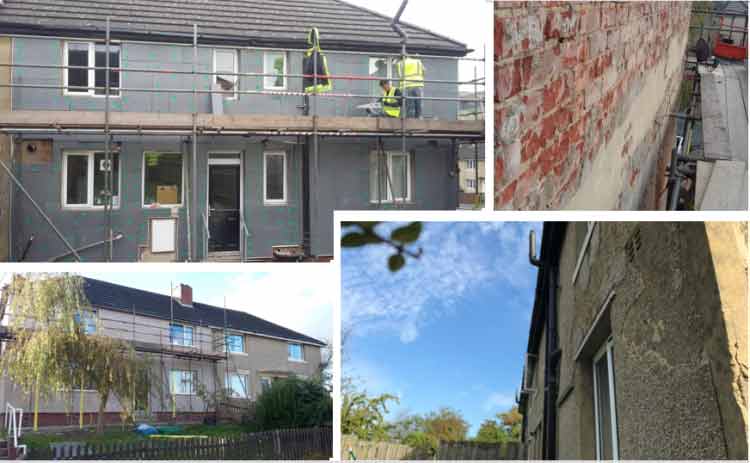
Increased Insulation
External render is a highly effective solution for improving the thermal efficiency of buildings and reducing drafts. It offers a barrier between the building’s structure and the elements, providing airtight seals that prevent thermal bridging while also helping to maintain an even temperature throughout the property.
This increased insulation is especially beneficial during the winter months, when temperatures can plummet and drafts can become a real problem. In addition to improving energy efficiency, external render can reduce noise pollution from outside sources, too – thanks to its ability to act as an acoustic barrier.
As such, it’s clear that external render has some significant benefits when it comes to protecting against damp and maintaining energy efficiency in any property.
Improved Appearance
Of course, in addition to the practical benefits of external render, there’s also the improved appearance it can bring.
Not only does it provide an effective and cost-effective solution for creating a more efficient building envelope – it can also add aesthetic value through its range of colour choices.
This means that you don’t have to compromise on either style or substance when investing in external render.
It can be used to give your property a modern look that will last for years, all at a fraction of the cost of traditional methods.
In other words, you get the best of both worlds – great insulation performance along with attractive visuals.
How Does External Render Prevent Damp?
The use of external render can be a powerful tool for preventing damp. It provides a durable finish that helps to keep water out and helps to regulate temperature, whilst also providing a layer of thermal insulation. External render is applied to the outside of buildings, with the aim of making them both visually appealing and structurally sound.
Ventilation systems are essential components in preventing damp. They help to ensure that air circulates within the building, allowing moisture to escape and reducing the risk of condensation forming on walls and ceilings.
On top of this, external render helps to provide an additional barrier against water ingress, helping to maintain the structural integrity of the building. The render also acts as a secondary line of defence against moisture penetration.
It is important when applying external render that it is done properly, taking into account aspects such as wall cavities, appropriate water proofing and proper drainage systems. Correctly applied external renders will help reduce moisture levels inside a building and protect from further damage caused by dampness or mould growth due to excessive moisture in the air.
With all these benefits combined, it is easy to see why external render should be considered when looking at ways to prevent damp in buildings.
Other Measures For Preventing Damp
In order to effectively prevent damp, there are other measures that can be taken in addition to external rendering. First and foremost, cavity walls should be filled with insulation; this will act as a barrier between the inner and outer layers of the wall, thus reducing the risk of damp. Secondly, roof ventilation is key; by allowing air to circulate through the roof space, it will ensure that moist air does not become trapped inside. Finally, it is important to ensure that water can’t penetrate the building structure; sealing any visible cracks or gaps in the walls and around window frames is an effective way of doing this.
| Measure | Benefit |
|---|---|
| Cavity Walls | Acts as a barrier between inner and outer layers of wall |
| Wall Insulation | Reduces risk of dampness |
| Roof Ventilation | Prevents moist air becoming trapped inside |
| Sealing Cracks/Gaps | Prevents water from penetrating building structure |
By taking these additional measures into consideration, one can be sure that their home or business premises is fully protected from dampness. The most important thing to remember when looking for ways to prevent damp is to identify potential points of entry for moisture into the building structure and address them accordingly.
Frequently Asked Questions
What Is The Cost Of External Render?
External render is a cost-efficient way to protect a building’s exterior from the elements, while providing an aesthetic benefit with a range of colour choices.
Durability testing has shown that external render can help to prevent damp, making it an ideal choice for many construction projects.
The cost of external render depends on the materials used and the size of the project, but in general it is reasonably priced and provides long-term protection against weathering.
How Long Does External Render Last?
The durability of external render is an important component to consider when constructing a building.
While rigorous durability testing can provide assurance that the render will last for years, there are also weatherproofing techniques and maintenance schedules which, when followed, can guarantee lasting results.
Take for example our recent project in Nottingham: through careful pre-planning and precise construction methods, we were able to not only prevent dampness from occurring but also ensure that the external render lasted for many years with minimal upkeep.
Is External Render Suitable For All Types Of Buildings?
External render is a great choice for weatherproofing and protecting buildings, as well as providing a range of colour choices. However, it’s not suitable for all types of buildings due to its specific characteristics and requirements.
Alternatives such as cladding may be a better choice in some cases, depending on the building’s location, use and appearance requirements. So while external render has excellent weatherproofing properties and colour choices, you need to consider all available options before making the best decision for your building project.
Are There Any Environmental Impacts Associated With External Render?
External render offers a variety of benefits for buildings, but it is important to consider the environmental impacts associated with its use.
Energy efficiency, water runoff, and air quality are all affected by external render and must be taken into account when deciding if it is suitable for your building project.
Rendering can help reduce energy consumption, but it can also contribute to increased water runoff and decreased air quality if not implemented correctly.
It is essential that professional guidance is sought out in order to ensure that the environmental impact of external render is minimised.
How Should External Render Be Maintained?
When it comes to maintaining external render, painting techniques, weatherproofing methods and insulation materials can all be used to ensure the best results.
It’s important to remember that these coatings need regular maintenance and renewal in order for them to remain effective; this is especially true in climates where extreme temperatures or moisture levels are common.
Additionally, a professional contractor should be consulted when it comes to selecting the proper materials and techniques for your particular project.
With the right maintenance plan in place, you can rest assured that your external render will stay waterproof and provide lasting protection from damp.
External Rendering In Nottingham
External render is an effective and affordable way to protect a building from damp, but its long-term success depends on proper maintenance. To ensure the best outcome, it’s important to use the right type of render for the building and climate, and to stay on top of its upkeep.
A regular schedule of checking and re-rendering is vital for keeping your building safe from the elements. Symbolic of protection against the stormy days ahead, external render is a strong shield that can help keep your building healthy and beautiful for many years to come.
As a construction expert or architectural engineer, it’s my job to advise you on how best to maintain your external render – regular checks and spot repairs will save you time and money in the long run. Just remember: with proper care and attention, your external render will provide a robust layer of protection against moisture damage, allowing you to enjoy a dryer home for years to come.
or more information or to make an appointment, contact us or call us 07595 510190 and you can also visit our website.